





Keep hearing and being you
Win a share of 1,500,000 Qantas Points
If you’re over 26, book and attend a hearing check by 31 May 2024, and you could win a share of 1,500,000 Qantas Points.


Keep hearing and being you
Win a share of 1,500,000 Qantas Points
If you’re over 26, book and attend a hearing check by 31 May 2024, and you could win a share of 1,500,000 Qantas Points.


The 30-minute screening or 60-minute hearing test appointments are conducted by a clinician and you will receive same-day results and recommendations.
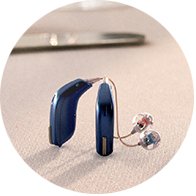

Whether you book online, submit a website request, call us or contact our clinic directly, we will determine the most suitable hearing test for your needs by answering a few simple questions before confirming your booking.

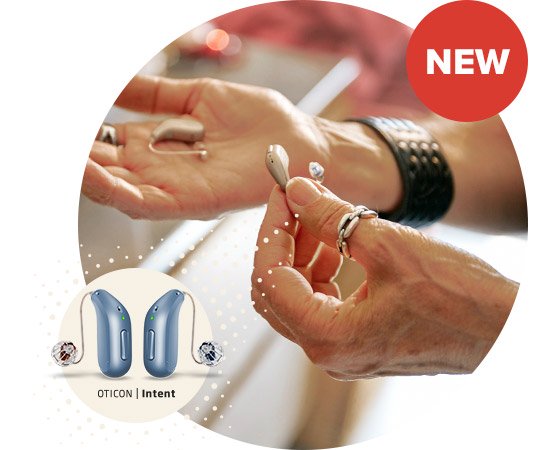
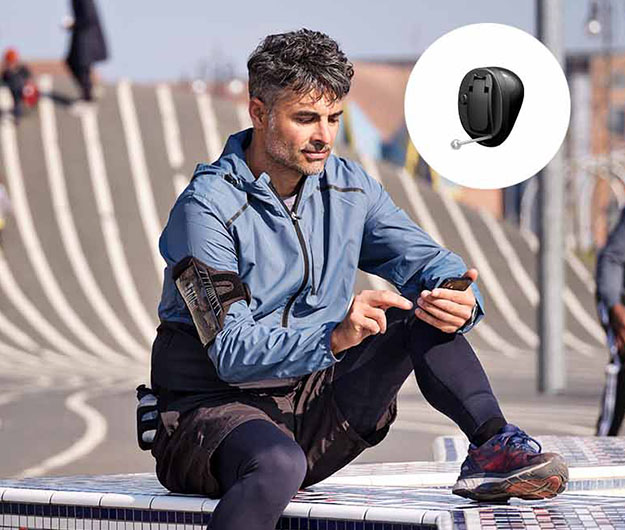
Oticon IntentTM is the world’s first hearing aid capable of understanding your listening intentions. By using your movements, the environment and the conversation around you, Oticon Intent recognises what you want and need to listen to, adapting to deliver truly personalised support.
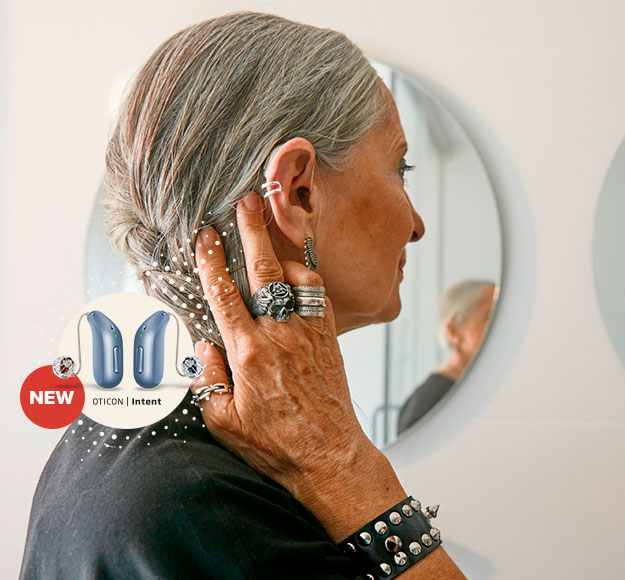
When my hearing changed, Audika understood.
I don't just want to keep hearing my friends,
I want to keep being me.
Book a hearing check with one of our experts, and see how our personalised care can help you keep being you.
Love your ears, at Audika.


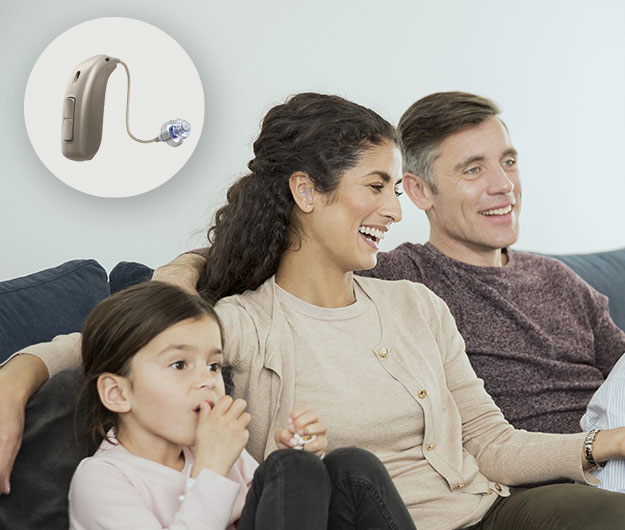

Treating hearing loss early, before or in mid-life, is one of 12 modifiable risk factors for dementia as recognised by a landmark 2020 study in The Lancet.(2) Over 250,000 Australians have entrusted their hearing health to our expert team.
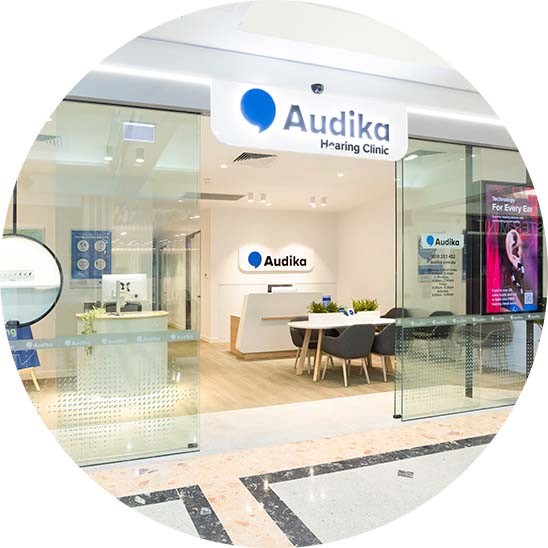
Our clinicians deliver personalised hearing solutions because every ear is unique, and they make the time to understand you and your needs. Book a FREE* hearing check at one of our 300+ hearing clinics across Australia TODAY.






Start your journey to better hearing today and don’t let cost be a barrier.
It's a convenient and affordable way to purchase your hearing aids. Best of all, the plan has:
The plan is completely flexible, and you can customise your payment plan together with your Audika clinician.
Payment plan information